Plumbing issues rarely start as major problems—they usually develop slowly behind walls, under floors, or within underground pipes before becoming visible. By the time leaks, blockages, or pressure issues appear, the damage is often already significant. This is why many homeowners are turning to plumbing inspection services as a proactive way to detect problems early and avoid costly repairs. Preventative inspections aren’t just about fixing what’s broken—they’re about identifying risks before they escalate, protecting your property, and ensuring your entire plumbing system continues to operate efficiently over time.
Early Detection Saves Time, Money, and Stress
One of the biggest advantages of preventative plumbing inspections is the ability to catch small issues before they become expensive emergencies. Minor leaks, for example, can go unnoticed for months, gradually causing water damage, mould growth, and structural deterioration. Similarly, early-stage blockages or pipe corrosion may not immediately affect performance but can worsen over time, eventually leading to major disruptions.
Read More: Top Considerations When Hiring Solar Contractors in New Jersey
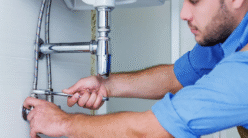
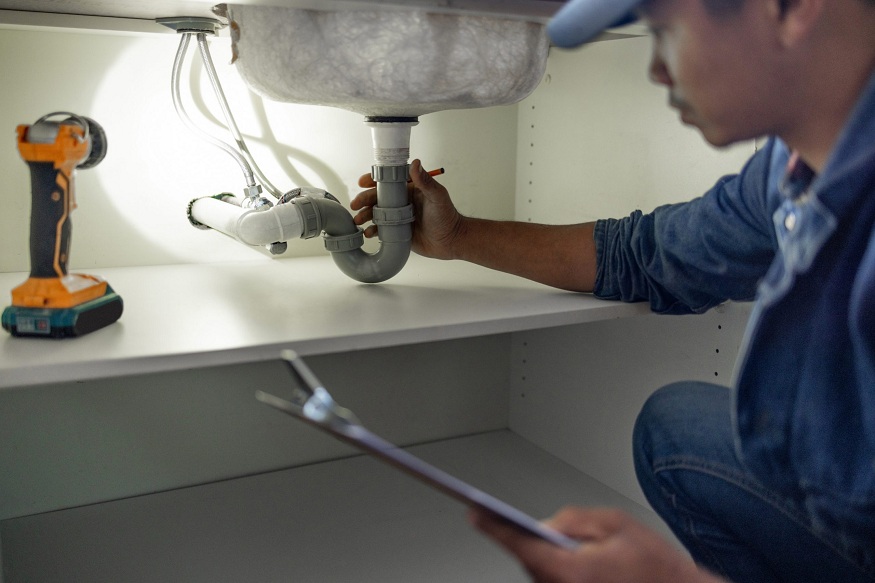
A professional inspection typically involves checking visible fixtures, testing water pressure, and using specialised tools such as drain cameras to assess internal pipe conditions. This allows plumbers to detect hidden problems like tree root intrusion, internal build-up, or cracks in pipes that wouldn’t be visible otherwise. Addressing these issues early not only reduces repair costs but also prevents unexpected breakdowns that can disrupt your daily routine.
Regular inspections are especially valuable for older homes, where ageing pipes and outdated systems are more prone to failure. Instead of waiting for something to go wrong, preventative checks provide peace of mind and help maintain the integrity of your plumbing system.
Long-Term Efficiency and Property Protection
Beyond preventing emergencies, routine plumbing inspections also improve the overall efficiency of your home’s water system. Small inefficiencies—such as slow leaks, pressure inconsistencies, or partially blocked pipes—can increase water usage and utility bills without being immediately noticeable. Identifying and resolving these issues ensures your system runs at optimal performance, reducing waste and saving money in the long run.
Preventative inspections also play a key role in protecting your property’s value. Undetected plumbing issues can lead to significant damage over time, affecting floors, walls, and foundations. For homeowners planning to sell or renovate, having a well-maintained plumbing system can be a major advantage, reducing the likelihood of costly surprises during property inspections.
In addition, regular inspections allow you to plan ahead. Instead of facing sudden, expensive repairs, you can schedule maintenance or upgrades at a convenient time, making the process more manageable and less stressful.
Read More: How Cooling Sheets Ease Hot Flashes at Bedtime
Ultimately, preventative plumbing inspections are an investment in your home’s long-term health. By identifying issues early, improving efficiency, and protecting your property from damage, they provide a practical and cost-effective way to avoid major problems and ensure your plumbing system remains reliable for years to come.
Understanding the Full Scope of a Comprehensive Plumbing Inspection
Building on the importance of early detection and long-term efficiency, it’s essential to understand what a thorough plumbing assessment truly involves. Many homeowners assume inspections are limited to a quick visual check, but modern plumbing inspection services are far more detailed and systematic. These evaluations are designed to assess the entire plumbing network, ensuring that every component—from supply lines to drainage systems—is functioning safely and efficiently.
A comprehensive inspection typically begins with an evaluation of visible fixtures such as taps, toilets, showers, and exposed pipework. Inspectors check for signs of corrosion, leaks, improper installations, and wear that could indicate underlying problems. Water pressure testing is also conducted to ensure the system operates within optimal parameters, as both high and low pressure can signal hidden issues. Advanced diagnostic tools, including thermal imaging and drain cameras, allow professionals to investigate concealed areas behind walls or beneath the ground without causing disruption. This level of detail provides homeowners with a clear understanding of their plumbing system’s condition and any potential risks that may require attention.
Preventing Water Damage and Structural Deterioration
Water damage is one of the most significant threats to residential properties, often developing silently before becoming apparent. Even a small, undetected leak can gradually weaken building materials, leading to warped flooring, stained walls, and compromised structural integrity. Over time, persistent moisture creates an ideal environment for mould and mildew, which can negatively impact indoor air quality and pose health risks to occupants.
Preventative plumbing inspections play a crucial role in mitigating these dangers. By identifying leaks at an early stage, homeowners can address issues before they escalate into extensive and costly repairs. Inspectors also assess areas that are particularly vulnerable to water damage, such as under sinks, around water heaters, and near appliances connected to the plumbing system. Early intervention not only preserves the physical structure of the home but also contributes to a healthier and safer living environment.
Enhancing Water Efficiency and Sustainability
In addition to preventing damage, routine plumbing inspections support more efficient water usage. Many households unknowingly lose significant amounts of water through minor leaks or inefficient fixtures. A dripping tap or a continuously running toilet may seem insignificant, but over time, these issues can lead to substantial water wastage and increased utility expenses.
During an inspection, professionals evaluate the performance of fixtures and appliances, identifying opportunities for improved efficiency. Recommendations may include repairing leaks, upgrading outdated components, or installing water-saving devices. These measures not only reduce household expenses but also contribute to environmental sustainability by conserving valuable water resources. As awareness of sustainable living continues to grow, maintaining an efficient plumbing system has become an important aspect of responsible homeownership.
The Importance of Inspecting Hidden and Underground Systems
While visible plumbing components are relatively easy to monitor, many of the most critical elements of a plumbing system remain concealed. Underground pipes, sewer lines, and internal pipework behind walls are particularly susceptible to deterioration and damage. Without professional assessment, problems in these areas can remain undetected until they cause significant disruption.
Modern inspection techniques allow for a non-invasive evaluation of these hidden systems. Drain cameras, for instance, provide real-time footage of the interior of pipes, enabling the detection of blockages, cracks, corrosion, or tree root intrusion. This technology eliminates the need for unnecessary excavation and ensures that any issues are accurately diagnosed. By addressing hidden problems early, homeowners can avoid emergency situations and extend the lifespan of their plumbing infrastructure.
Supporting Property Value and Real Estate Transactions
A well-maintained plumbing system is a valuable asset when it comes to property ownership and real estate transactions. Prospective buyers often prioritise homes with documented maintenance histories, as this reduces the likelihood of unexpected repair costs after purchase. Preventative plumbing inspections provide tangible evidence that the system has been properly cared for, enhancing buyer confidence and potentially increasing the property’s market appeal.
For homeowners planning renovations, inspections are equally beneficial. Understanding the current condition of the plumbing system allows for more accurate project planning and budgeting. Identifying potential issues before construction begins helps prevent delays and ensures that any necessary upgrades can be incorporated seamlessly into the renovation process. This proactive approach ultimately safeguards the investment made in the property.
Adapting Inspection Schedules to Different Property Types
The frequency and scope of plumbing inspections can vary depending on several factors, including the age of the property, the materials used in the plumbing system, and the household’s water usage patterns. Older homes, for example, often contain ageing pipes made from materials that are more susceptible to corrosion or deterioration. These properties benefit from more frequent inspections to ensure that potential issues are identified and addressed promptly.
Conversely, newer homes with modern plumbing systems may require less frequent assessments but still benefit from periodic evaluations to maintain optimal performance. Properties with extensive landscaping or large trees nearby should also consider regular inspections, as underground pipes in these environments are more vulnerable to root intrusion. Tailoring the inspection schedule to the specific characteristics of the property ensures that the plumbing system remains reliable and efficient over time.
Promoting Safety and Compliance with Standards
Safety is a fundamental aspect of any residential plumbing system. Components such as backflow prevention devices, pressure regulators, and water heaters must operate correctly to prevent hazardous situations. Preventative inspections help ensure that these elements comply with relevant safety standards and function as intended.
Backflow prevention, for instance, is essential for protecting the household’s water supply from contamination. Inspectors verify that these devices are properly installed and maintained, safeguarding the quality of potable water. Similarly, water heaters are assessed for signs of wear, corrosion, or pressure-related issues that could pose safety risks. By addressing these concerns proactively, homeowners can maintain a secure and compliant living environment.
Financial Predictability Through Proactive Maintenance
One of the most compelling reasons to invest in preventative plumbing inspections is the financial predictability they provide. Emergency plumbing repairs are often costly and disruptive, requiring immediate attention and potentially extensive restoration work. In contrast, routine inspections allow homeowners to anticipate maintenance needs and plan for them in advance.
This proactive approach enables the scheduling of repairs or upgrades at convenient times, reducing stress and avoiding the premium costs associated with emergency services. Over the long term, the savings generated by preventing major failures often outweigh the initial investment in regular inspections. Homeowners benefit not only from reduced repair expenses but also from the peace of mind that comes with knowing their plumbing system is well maintained.
Encouraging Responsible Homeownership
Preventative plumbing inspections also foster a broader sense of responsibility in home maintenance. By taking a proactive approach to caring for essential systems, homeowners develop a deeper understanding of how their property functions. This awareness encourages timely action when minor issues arise and promotes better decision-making regarding maintenance and upgrades.
Furthermore, regular inspections provide valuable insights into the expected lifespan of various plumbing components. Understanding when certain elements may require replacement allows homeowners to plan strategically, ensuring that their property remains safe, efficient, and comfortable for years to come.
Conclusion: A Proactive Investment in Long-Term Reliability
Preventative plumbing inspections are far more than a routine maintenance task—they represent a strategic investment in the longevity, efficiency, and safety of a home. By providing early detection of hidden issues, enhancing water efficiency, protecting structural integrity, and supporting property value, these inspections deliver significant long-term benefits. They also offer financial predictability and peace of mind, enabling homeowners to address potential concerns before they escalate into costly emergencies.
Through consistent and proactive care, homeowners can ensure that their plumbing systems continue to operate reliably, supporting the comfort and functionality of their living spaces. Ultimately, embracing preventative inspections is a practical and cost-effective approach to safeguarding one of the most essential systems within any home.