For generations, Riverside has been the heart of California’s citrus history. Many of our local backyards in neighborhoods like Magnolia Center and Orangecrest are still filled with beautiful lemon, lime, and orange trees.
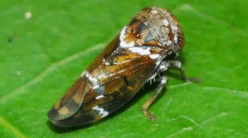
However, a tiny insect called the Asian Citrus Psyllid is currently threatening this local legacy. This pest is dangerous because it can carry a deadly plant disease that has no cure. If your trees get infected, they will eventually stop producing good fruit and die.
You can find more information about protecting your garden at akelapest.com to see how local experts deal with these invasive species. They understand that keeping our Riverside groves healthy is a priority for everyone who loves our city’s green landscape.
Identifying the Tiny Invader in Your Yard.
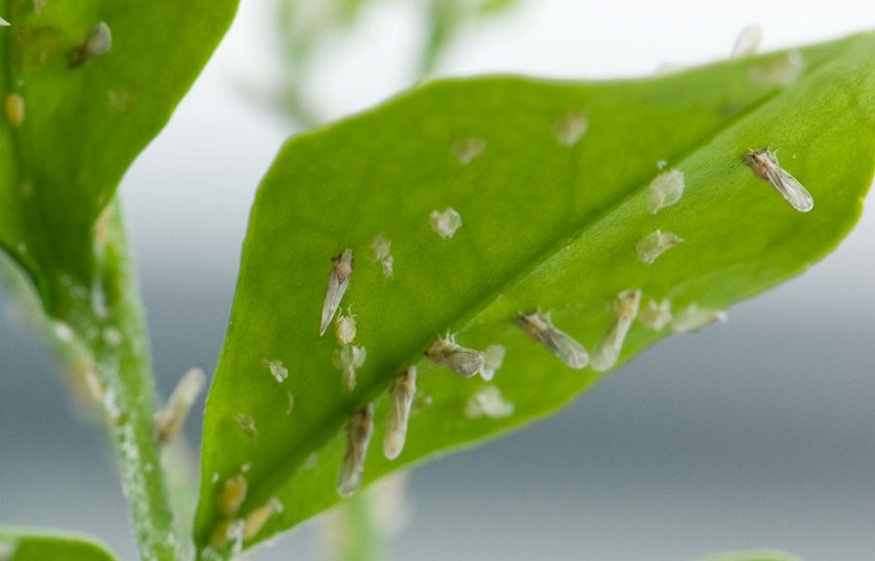
The Asian Citrus Psyllid is a very tiny insect, which is about the size of a grain of rice. The way it feeds is distinct, but it is hard to see, as it is so small. It leans its body at an angle of forty five degrees when it perches on a leaf.
Read More : The Rise of Green Apartments: Urban Eco-Living
The damage it produces is more likely to be seen than the bug. Look for new leaves that are twisted or curled at the ends.
The young insects also make a white, waxy material resembling little curly ribbons. When you notice this weird wax on your lemon tree, you likely have an infestation that has to be addressed at once.
The Real Danger of Citrus Greening Disease.
While the Asian Citrus Psyllid is small, it carries a deadly bacterium called Huanglongbing (HLB), or citrus greening. Once an infected bug bites a tree, the disease spreads, causing the fruit to stay green and taste bitter.
There is currently no cure for HLB, and infected trees in Riverside neighborhoods usually die within a few years. Because this disease is already present in local residential areas, prevention is the only way to save our citrus.
Regular inspections and pest control are vital to protecting the health of your backyard grove.
How to Inspect and Protect Your Trees.
Checking the “flush,” or the soft new growth on branches, is the best way to spot psyllids. Regularly monitor these areas to stay ahead of potential infestations.
-
Monitor Your New Growth Often.
Check your trees monthly for yellow eggs or waxy ribbons. Never move branches or fruit from an infested tree, as this spreads the pest across Riverside.
-
Control the Ants in Your Garden.
Use sticky barriers to stop ants from guarding psyllids against natural predators. Without ant protection, helpful backyard bugs are more likely to eat the psyllids.
-
Be Careful with Tree Grafting.
Avoid trading cuttings, as grafting can accidentally move the disease between properties. Only buy trees from certified, pest-free nurseries and avoid bringing in unwashed fruit.
-
Keep Your Trees Well Maintained.
A healthy tree is not immune to the disease, but it can stay productive longer. Make sure your irrigation is set correctly for our hot Inland Empire summers.
Read More : Top Considerations When Hiring Solar Contractors in New Jersey
Fertilize your trees at the right times to keep the root system strong. If you suspect your tree is sick, contact the local agricultural commissioner right away for testing and help.
Working Together for Riverside Citrus.
Citrus greening is a neighborhood problem. If one tree is infected, the entire block is at risk. By cooperating with neighbors and keeping trees clean, we protect our city’s citrus legacy.
Akela Pest Control offers professional inspections and treatments to help Riverside residents keep their backyard groves healthy and pest-free.