
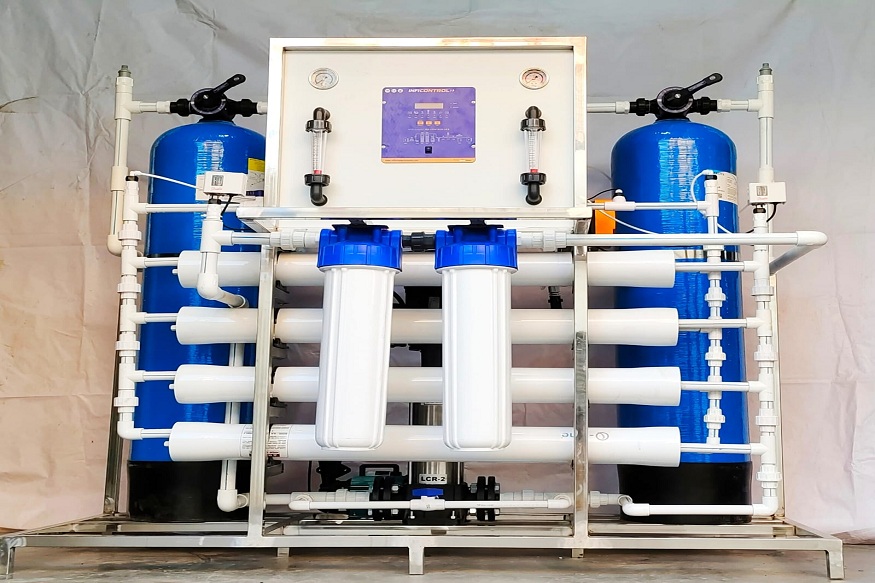
Water is essential for life, yet access to clean, safe drinking water remains a growing concern worldwide. Pollution, industrial waste, and natural contaminants often make water unsafe for direct consumption. This is where advanced purification technologies come into play. Reverse osmosis has emerged as one of the most reliable and efficient methods of water filtration, providing safe, clean, and great-tasting water for both households and industries.
What is Reverse Osmosis?
Reverse osmosis is a water purification process that removes impurities, contaminants, and dissolved solids by using a semi-permeable membrane. However, in reverse osmosis, external pressure is applied to reverse this natural flow, forcing water through a membrane that blocks contaminants while allowing clean water to pass.
How Reverse Osmosis Works
The process of reverse osmosis involves multiple stages to ensure maximum purification. First, water passes through pre-filters that remove larger particles such as dirt, sediment, and chlorine. This step is important because it protects the delicate membrane from damage. This membrane allows only water molecules to pass through, leaving behind salts, bacteria, heavy metals, and other impurities. Finally, post-filters polish the water, improving its taste and removing any remaining odors before it reaches the tap.
Key Components of a Reverse Osmosis System
Pre-filters are used to remove larger contaminants and protect the membrane. The membrane itself is the heart of the system, responsible for filtering out microscopic impurities. Post-filters enhance the taste and quality of the water. Some systems also include a storage tank to hold purified water and a dedicated faucet for easy access. Together, these components work seamlessly to deliver clean and safe drinking water.
Benefits of Reverse Osmosis
One of the biggest advantages of reverse osmosis is its ability to remove up to 99% of contaminants from water. It effectively removes harmful substances such as lead, arsenic, fluoride, and nitrates, making the water safer to drink. Additionally, it improves the taste and smell of water by removing chlorine and other chemicals. This results in fresh, clean water that is ideal for drinking, cooking, and preparing beverages. Another benefit is its versatility, as it can be used in homes, offices, and industrial settings.
Reverse Osmosis and Water Quality Improvement
Water quality varies significantly depending on location. In some areas, water may contain high levels of dissolved salts or minerals, making it hard and unsuitable for consumption. It also removes microorganisms and harmful pollutants, ensuring that the water meets health and safety standards.
Applications of Reverse Osmosis in Daily Life
Reverse osmosis is widely used in residential, commercial, and industrial applications. In homes, it provides safe drinking water and enhances the quality of food and beverages. In industries such as food processing, pharmaceuticals, and electronics, it ensures the purity of water used in production. Additionally, reverse osmosis is used in desalination plants to convert seawater into potable water, helping address water scarcity in many regions.
Modern Innovations in Reverse Osmosis Systems
With advancements in technology, reverse osmosis systems have become more efficient, compact, and user-friendly. Many modern systems are designed for easy installation and require minimal maintenance. Some even come with smart features that allow users to monitor water quality and filter performance. Brands like Ciarra One are contributing to this innovation by offering stylish and efficient solutions that blend seamlessly into modern kitchens while delivering high-quality filtration.
Maintenance and Care of Reverse Osmosis Systems
To ensure optimal performance, regular maintenance of a reverse osmosis system is essential. This includes replacing pre-filters, post-filters, and the membrane at recommended intervals. It is also important to periodically clean and sanitize the system to prevent the buildup of bacteria and other contaminants.
Environmental Impact of Reverse Osmosis
While reverse osmosis is highly effective, it does produce some wastewater during the filtration process. However, modern systems are becoming more efficient, reducing water waste significantly. Additionally, the use of reverse osmosis can help reduce reliance on bottled water, which in turn decreases plastic waste and environmental pollution.
Is Reverse Osmosis the Right Choice for You?
Reverse osmosis is an excellent choice for those who want comprehensive purification and improved taste. It is particularly beneficial in areas with high levels of contaminants or hard water. However, it is important to consider factors such as installation space, maintenance, and cost before making a decision.
Read More:Beyond Storage: Wine Cellar Designs That Enhance Your Interior Aesthetic
Conclusion
Reverse osmosis has revolutionized the way we purify water, offering a reliable and efficient solution for clean drinking water. Its ability to remove a wide range of contaminants, improve taste, and adapt to various applications makes it a valuable technology in today’s world. As water quality concerns continue to rise, reverse osmosis will remain a key solution in ensuring access to safe and healthy water for generations to come.